
Quick answer
A low doc tax debt loan clears an ATO balance without the full set of financial statements and tax returns a bank would ask for. Lenders rely on other evidence instead: recent BAS, business bank statements, an accountant's letter or a signed income declaration, and often property as security. Most will still want your overdue lodgements caught up or under way, because the ATO's true balance isn't known until they are.
Key points
- Low doc means fewer documents, not no documents: BAS, bank statements and an accountant's letter often replace full financials.
- Property security makes low doc funding much easier to arrange, and usually larger.
- Unlodged BAS or returns are the biggest obstacle for lenders, and some ATO help needs lodgements up to date.
- Catching up lodgements can change the debt, so the loan should be sized after you know the real number.
- Secured loans
- $20,000 to $5,000,000
- Unsecured options
- Typically $5,000 to $500,000
- Typical evidence
- BAS, bank statements, accountant's letter
- Speed
- Possible within 24 hours (property-secured)
What does “low doc” mean for a tax debt loan?
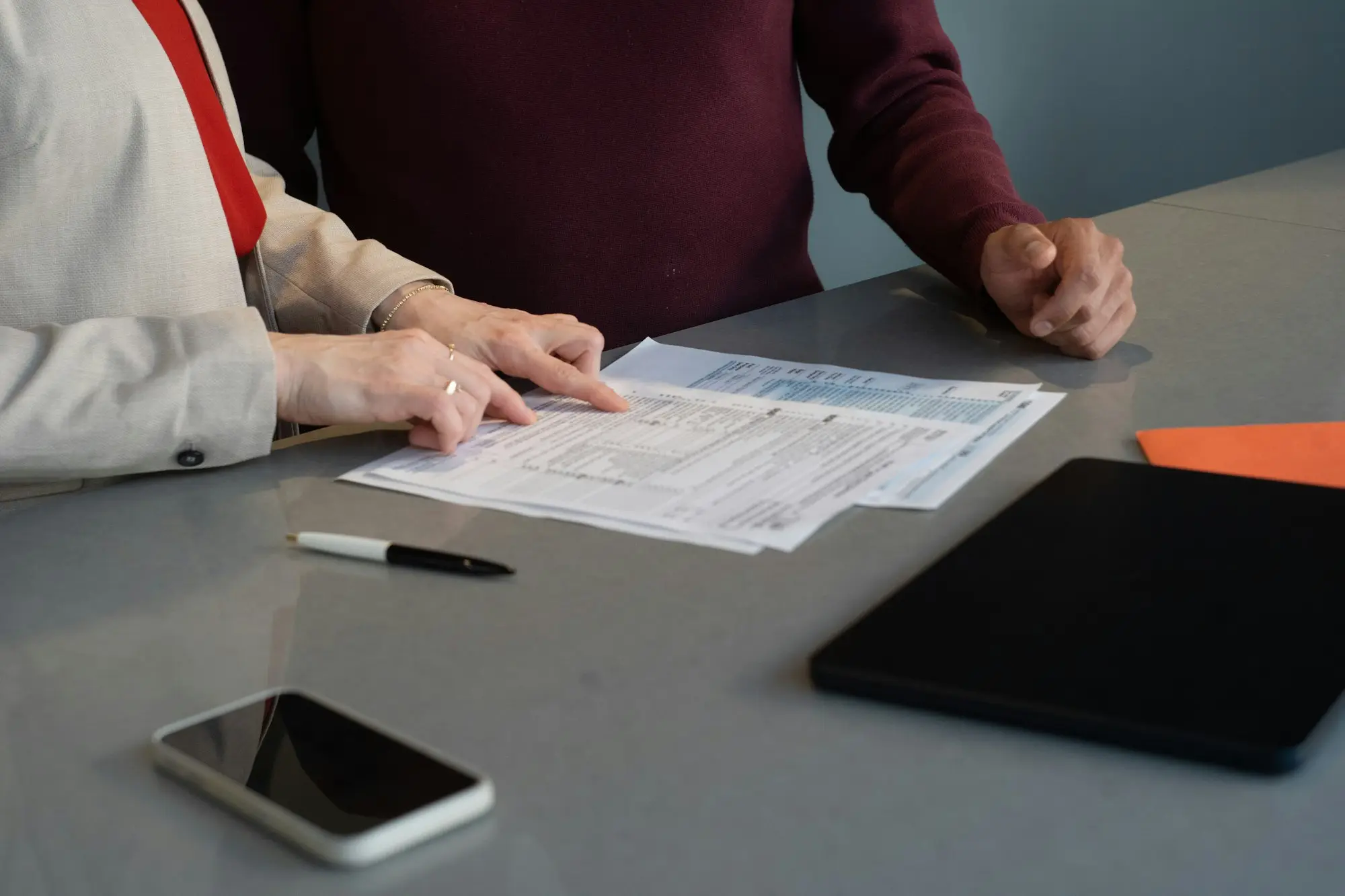
A bank lending to a business normally wants two years of financial statements, two years of tax returns, and an ATO portal that’s up to date. Many people who owe the ATO can’t produce that. The reason they owe the ATO is often the same reason their paperwork is behind: a hard year, a bookkeeper who left, or an accountant who stopped work until the last bill was paid.
A low doc loan swaps the full set of financials for other evidence that the business is real and trading, and that it can carry the repayments. It’s still a properly assessed business loan. Fewer documents means the lender leans harder on what it does have, especially the bank statements and any property.
What do low doc lenders accept instead of full financials?
| Instead of… | Lenders commonly accept… |
|---|---|
| Two years of tax returns | Recent BAS showing turnover, or an accountant’s letter |
| Profit and loss statements | Six to twelve months of business bank statements |
| A clean ATO portal | The ATO statement of account and a plan for the balance |
| Audited figures | A signed declaration of income (for some secured loans) |
Each lender has its own mix. Property-secured lenders are usually the most flexible, because the property carries much of the risk. Unsecured lenders rely almost entirely on bank statements, so the deposits need to be regular and the existing repayments manageable.
Why do unlodged BAS and returns matter so much?
This is the part most people underestimate. Being behind on lodgements creates three separate problems:
- The debt isn’t final. Until every BAS and return is lodged, nobody knows the true ATO balance. The ATO may also have issued default assessments based on estimates, which can be higher or lower than the real figure.
- Some ATO help depends on lodging. The ATO’s interest-free plans for overdue activity statement amounts require no outstanding activity statement lodgments, and any payment plan can default if you don’t lodge your obligations on time. A loan doesn’t help much if a new liability arrives a month later.
- Directors face lockdown penalties. For companies, PAYG withholding and super guarantee amounts that aren’t reported on time can lead to a lockdown director penalty notice. Under a lockdown DPN, putting the company into administration or liquidation no longer removes the director’s personal liability. See lockdown DPNs.
So the practical sequence is: get the lodgements done or scheduled, know the real number, then size the loan to clear it. A good lender will help you work out the timing. Some will settle against a firm lodgement plan from your accountant.
Secured or unsecured: which works better with low doc?
Property-secured (first or second mortgage, or a caveat loan). This is the most common low doc route for tax debt. The lender’s decision rests mainly on the property’s value and the equity in it, so thinner paperwork matters less. Secured loans run from $20,000 to $5,000,000 and can be arranged quickly. Where it’s arranged at settlement, funds can be paid straight to the ATO. See caveat loans for ATO debt and second mortgages.
Unsecured (cash flow). These are sized on bank statements, typically $5,000 to $500,000. They suit trading businesses with steady deposits and a moderate ATO balance. Low doc is normal here, since the bank statements are the main evidence anyway. The trade-off is shorter terms and more frequent repayments. See unsecured loans for ATO debt.
What should your accountant’s letter say?
If a lender asks for an accountant’s letter, it helps when it covers:
- How long the accountant has acted for you, and the business’s structure.
- An estimate of the most recent year’s turnover and, if possible, net profit.
- The status of lodgements: what’s done, what’s outstanding, and when it will be lodged.
- That the loan is for business purposes, including clearing the ATO debt.
The letter doesn’t need to be long. It needs to be accurate. Don’t ask your accountant to sign anything they can’t stand behind. Lenders do call to check.
An illustrative example
A Brisbane landscaping business with two crews is $96,000 behind with the ATO across GST and PAYG withholding, and its last two income tax returns haven’t been lodged. The owner has equity in an investment unit. The accountant lodges the outstanding BAS first, which confirms the balance, and writes a letter setting out turnover and a date for the returns. A private lender approves a second mortgage over the unit on bank statements and that letter. At settlement the ATO is paid directly, and the director is no longer facing a growing debt or a lockdown DPN risk.
This example is illustrative and simplified, not a real client.
When is a low doc loan the wrong answer?
- When the business can’t service it. If deposits barely cover wages and rent, a loan moves the pressure from the ATO to a lender. An ATO payment plan, or advice from a registered restructuring practitioner, may fit better.
- When the real debt is unknown and could be much larger. Catch up first. A loan sized on a guess often leaves a gap.
- When the ATO will agree to a plan you can afford. For many smaller debts, an ATO payment plan costs less. Compare both. See ATO payment plan vs loan.
Need low doc funding for an ATO debt?
If your paperwork is behind but the business is trading and the numbers make sense, see if you qualify. There’s no credit check to enquire. Your details stay with one team rather than going to a list of lenders, and a specialist will tell you plainly what evidence will work and what won’t. Please give us your best real figures, including any lodgements that are outstanding, so the advice fits.
How it works, step by step
- 1
Get your ATO balance
Download the integrated client account and list any BAS or returns not yet lodged.
- 2
Gather what you have
Recent BAS, six to twelve months of business bank statements, and property details if you own any.
- 3
Talk to your accountant
Ask for a short letter confirming your income position and a plan to bring lodgements up to date.
- 4
Enquire
A 60-second enquiry. A specialist calls, checks what evidence will work, and explains the alternatives too.
Frequently asked questions
Can I get a loan to pay the ATO without tax returns?
Often, yes, particularly where property is offered as security. Low doc lenders use recent BAS, bank statements and an accountant's letter instead of full returns. What they can't work around is an unknown debt, so expect questions about any lodgements that are overdue and when they'll be done.
What documents does a low doc tax debt loan need?
It varies by lender, but commonly: ID, ABN and GST registration details, recent BAS, six to twelve months of business bank statements, the ATO statement of account, and either an accountant's letter or a signed declaration of income. For secured loans, details of the property and any existing mortgage.
Do I have to lodge my overdue BAS before borrowing?
Not always before, but usually as part of the deal. Lodging can increase the debt, and unlodged BAS carry their own risks, including lockdown director penalties for companies. Most lenders want lodgements brought up to date so the loan clears the real balance, and some ATO help, such as interest-free plans, requires no outstanding lodgements.
Are low doc loans more expensive?
Usually somewhat, because the lender has less information. Compare the total dollar cost of the loan with the general interest charge and penalties on the ATO debt, and with an ATO payment plan, before deciding.
Is a low doc loan available for sole traders?
Yes. Sole traders are often the people who need low doc options most, because their tax returns run late. The loan must be for a business purpose, and the same evidence applies: BAS, bank statements and an accountant's letter.
Facts on this page were checked against official sources on 4 October 2026. Rules and thresholds change, so confirm anything critical on ato.gov.au or asic.gov.au.